Written By: Sanya Taneja - NISM Certified Reseach Analyst
Thinking about getting into online trading? It’s not as complicated as it might seem. Basically, it’s just buying and selling financial stuff over the internet. You can trade stocks, currencies, and even newer things like cryptocurrencies. It’s a way to potentially grow your money, but like anything, it’s good to know the basics before you jump in. This guide will walk you through what online trading is all about.
Key Takeaways
Online trading means buying and selling financial assets through the internet.
You’ll use an online broker and a trading platform to make your trades.
You can trade various assets like stocks, forex, cryptocurrencies, and commodities.
Choosing the right broker and understanding the risks are important first steps.
Developing a trading strategy can help guide your decisions.
What is Online Trading?
Online trading is basically the way people buy and sell financial stuff, like stocks or currencies, over the internet. Instead of calling up a broker or going to a physical exchange, you can do it all from your computer or phone. It’s become super popular because it’s generally faster and can be cheaper than the old ways of doing things. You’re essentially placing orders through a website or an app, and that order gets sent out to be matched with someone on the other side.
Think of it like this: you decide you want to buy shares in a company. You log into your trading account, type in how many shares you want and at what price, and hit send. Your broker’s system then takes that order and figures out the best place to get it filled. This could be on a big stock exchange, or maybe a different kind of trading venue. Once a buyer and seller agree on a price, the trade happens. It’s all pretty automated these days.
Here’s a simplified look at what happens when you place an order:
You place an order: You decide to buy or sell a specific asset.
Your broker gets it: The order goes to your brokerage firm for review.
Execution: The firm sends it to a market (like an exchange or an alternative trading system) to find a match.
Trade confirmation: You get a notification that your trade went through, including the price and any fees.
This whole process allows for quick transactions, and with the right tools, you can even trade assets based on whether you think their price will go up or down. It’s a big change from how investing used to be done, making markets more accessible to more people. You can explore different types of trading, like equity trading or currency markets, all from your own home.
How Does Online Trading Work?
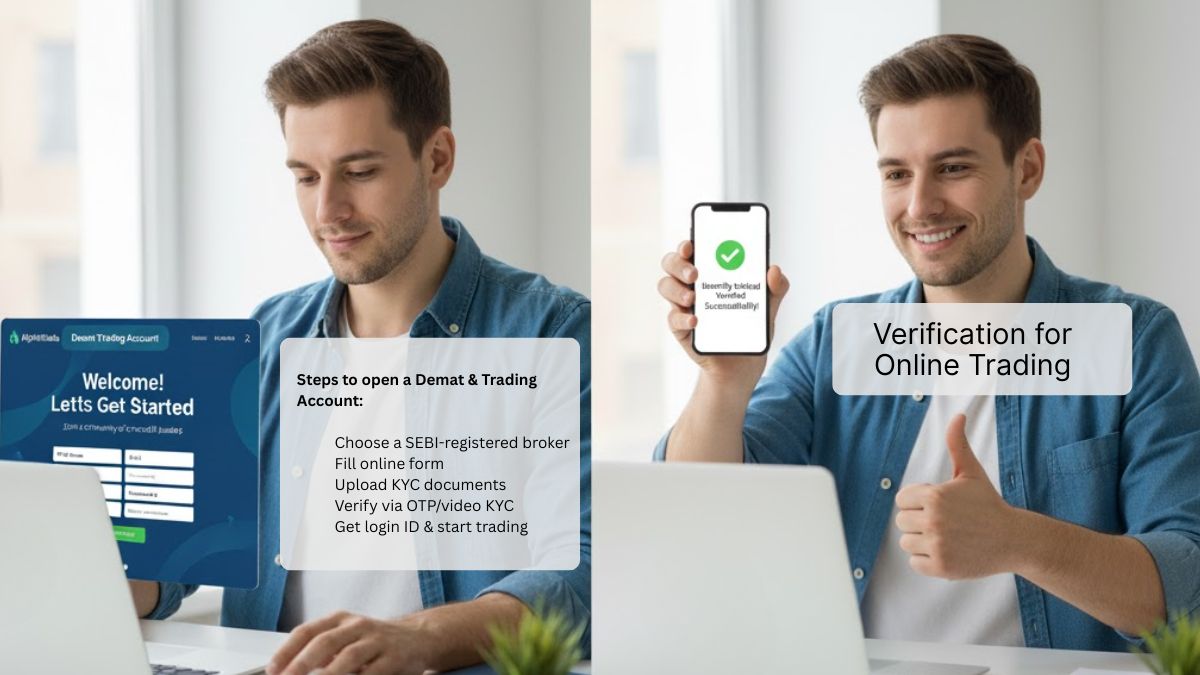
Steps to open a Demat and trading account
So, you’re curious about how all this online trading stuff actually happens behind the scenes? It’s not as complicated as it might sound. When you decide to buy or sell something, like a stock, your order doesn’t just magically appear on the exchange. There’s a process, and understanding it helps you see where your money is going and how trades get completed.
Think of an online broker as your main connection to the financial markets. You can’t just walk onto the National Stcok Exchange floor anymore; you need an intermediary. That’s where brokers come in. They provide the platform and the infrastructure that lets you place your buy and sell orders. When you hit that “buy” button on your trading app, your broker receives that instruction. They then take your order and figure out the best way to get it filled. This might involve sending it to a traditional stock exchange, or perhaps to an alternative trading system, or even handling it themselves if they act as a market maker. They’re responsible for making sure your trade actually happens.
These are the digital tools you’ll use to interact with the market. A trading platform is essentially your dashboard. It’s where you see prices, charts, news, and where you actually place your trades. Most platforms offer a variety of tools to help you make decisions. You might find charting tools that let you analyze price movements over time, news feeds to keep you updated on market events, and research reports. Some platforms even offer advanced features like automated trading strategies or the ability to trade complex instruments like options. The platform you choose can really impact your trading experience, so it’s worth looking into what different brokers provide. For instance, some platforms are designed for beginners, offering a simpler interface, while others are packed with features for more experienced traders. It’s all about finding what works for you and your trading style. You can even practice with a demo account before using real money, which is a smart move for anyone starting out.
When you place an order, your broker reviews it and then decides the best place to send it for execution. This could be an exchange, an alternative trading system, or sometimes the broker handles it directly. After the trade is executed, you’ll receive a confirmation, and then a clearing firm works behind the scenes to finalize the transaction, moving ownership and funds. It all happens pretty quickly, but there are several steps involved.
Here’s a simplified look at the order process:
You Place an Order: You decide to buy or sell a specific asset through your broker’s platform.
Order Routing: Your broker sends your order to a venue for execution.
Trade Execution: The order is matched with a buyer or seller at the current market price.
Confirmation: You receive a notification that your trade has been completed.
Clearing and Settlement: A clearing firm ensures the transaction is finalized, transferring ownership and funds.
Types of Assets You Can Trade Online
So, you’re ready to jump into online trading, but what exactly can you trade? It’s not just stocks anymore. The digital world has opened up a whole buffet of financial instruments for everyday folks to get a piece of. The variety available means you can diversify your investments and potentially tap into different market movements. Let’s break down some of the most common types of assets you’ll encounter.
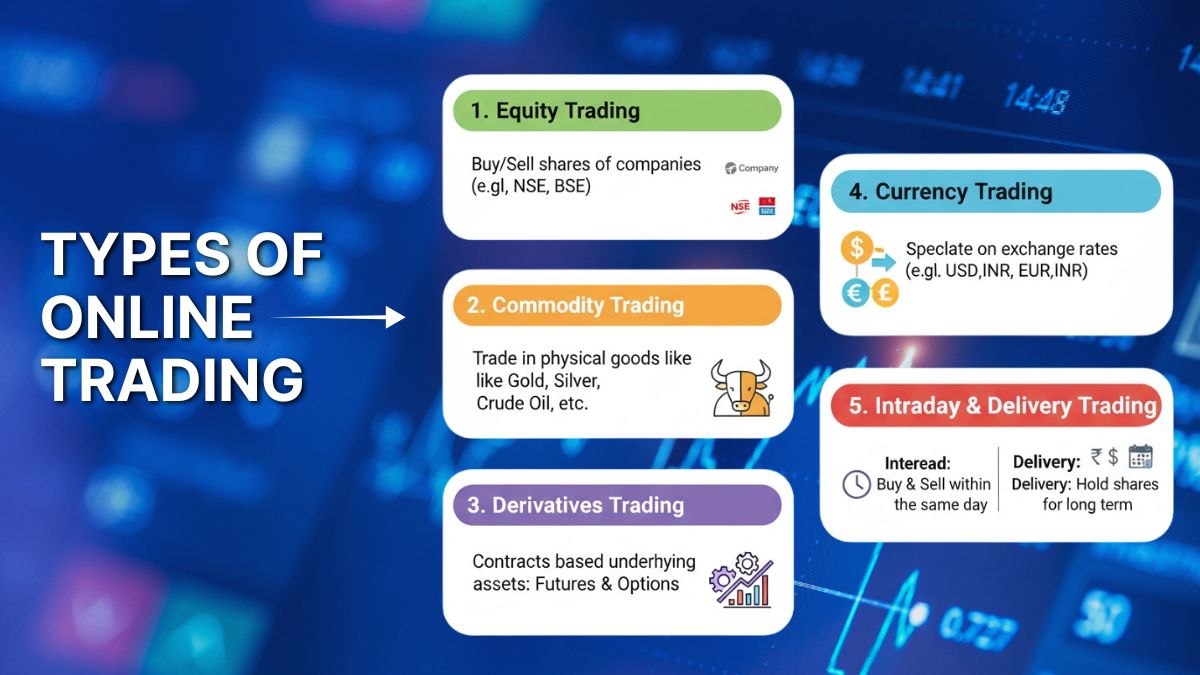
Equity commodity derivatives and currency trading
Stocks
This is probably what most people think of first when they hear ‘trading’. When you buy a stock, you’re buying a tiny piece of ownership in a company. If the company does well, its stock price might go up, and you could make money. If it does poorly, the price could fall. Online platforms make it pretty straightforward to buy and sell shares of publicly traded companies. You can research companies, look at their financial health, and decide if you think their stock is a good bet. It’s a classic way to invest, and with so much information available, it’s easier than ever to get started. You can explore various investment types, including stocks, to see what fits your goals. Many investors trade stocks.
Forex (Foreign Exchange)
Forex trading, or FX trading, involves the buying and selling of different countries’ currencies. Think of it like this: when you travel, you exchange your home currency for the local one. Forex trading is similar, but on a much larger scale and with the goal of profiting from changes in exchange rates. The forex market is the biggest financial market in the world, operating 24 hours a day, five days a week. It can be quite volatile, meaning prices can change rapidly, which presents both opportunities and risks. It’s a market driven by global economic events, political news, and interest rate changes.
Cryptocurrencies
These are digital or virtual currencies secured by cryptography, making them nearly impossible to counterfeit. Bitcoin and Ethereum are probably the most well-known, but there are thousands of others. Cryptocurrencies operate on a technology called blockchain, which is a decentralized ledger. Trading crypto can be exciting because prices can swing wildly, but this also means it’s a high-risk area. Unlike traditional currencies or stocks, crypto isn’t typically regulated in the same way, adding another layer of complexity.
Commodities
Commodities are basic goods used in commerce that are interchangeable with other goods of the same type. Think of things like oil, gold, natural gas, or agricultural products like wheat and corn. You can trade these directly, or more commonly, through financial contracts like futures or options. The prices of commodities are influenced by supply and demand, global events, and even weather patterns. For example, a drought could impact the price of corn, or geopolitical tensions might affect the price of oil.
When you trade assets like these online, you’re often not buying the actual item (like a barrel of oil or an ounce of gold). Instead, you’re usually trading derivatives. These are financial contracts whose value is derived from the underlying asset. This allows you to speculate on price movements without needing to store or manage the physical commodity. It also means you can potentially profit whether prices go up or down, but it also amplifies your potential losses.
Here’s a quick look at what you might trade:
Stocks: Ownership in public companies.
Forex: Currencies of different nations.
Cryptocurrencies: Digital currencies like Bitcoin.
So, you’re ready to jump into the world of online trading? That’s great! It can seem a bit overwhelming at first, but with a clear plan, it’s totally doable. This section is your beginner guide to online investing, covering the first steps you need to take.
This is a big one. Your broker is your gateway to the markets. Think of them as the company that gives you access to the trading platforms and tools you’ll need. When picking one, look at a few things:
Fees: What do they charge for trades? Are there account maintenance fees? Keep an eye on these, as they can add up.
Platform: Is their trading platform easy to use? Does it have the charting tools and research you’ll want?
Customer Support: If you run into a problem, can you get help quickly?
Account Minimums: Some brokers require you to deposit a certain amount to open an account.
Do your homework here. A good broker makes the whole experience smoother. You can find courses that help explain the ins and outs of picking the right one, which is a smart move before you even think about how to start trading online. Learning to trade stocks often starts with selecting a reliable partner.
Okay, let’s talk about risk. Trading involves risk, and it’s important to be realistic about that. You can make money, but you can also lose money. Never invest money you can’t afford to lose. That’s the golden rule.
Before you even place your first trade, you need a strategy. This isn’t just about picking stocks randomly. It’s about having a plan. Here’s a basic rundown:
Define Your Goals: What are you trying to achieve? Short-term gains? Long-term growth?
Decide Your Approach: Will you focus on day trading, swing trading, or long-term investing? Each has its own risks and rewards.
Research: Understand the assets you’re interested in. For example, when getting started with stock trading, learn about the companies you’re considering.
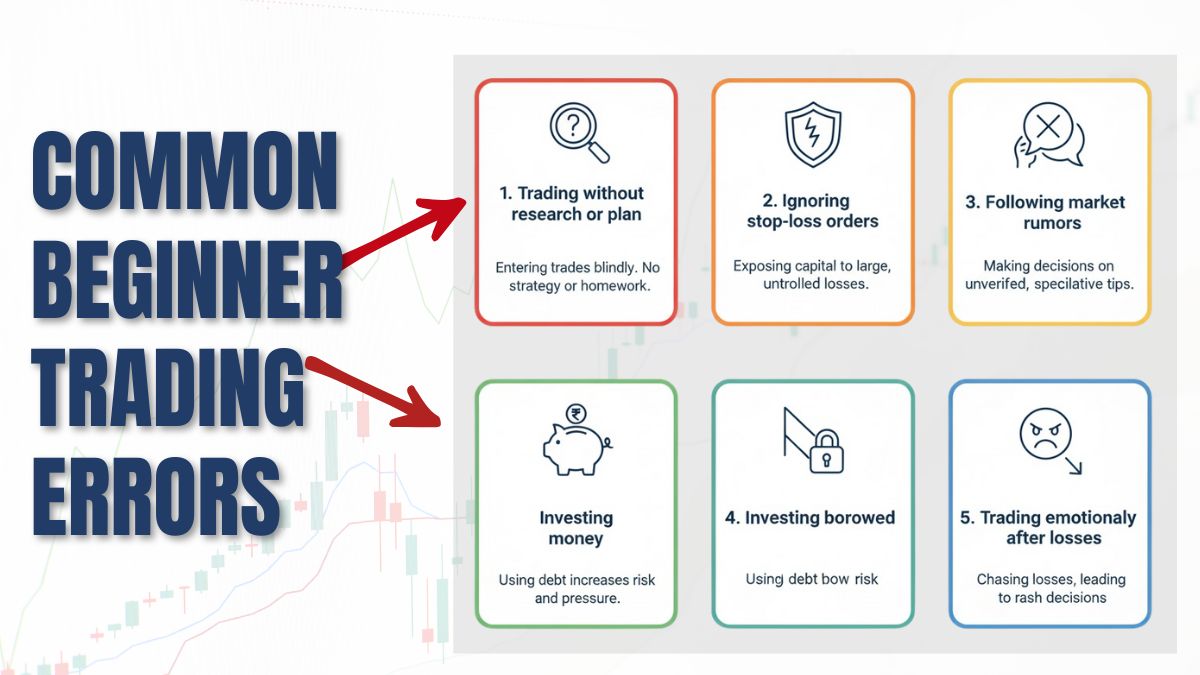
Risk Management: How much are you willing to risk on any single trade? Setting stop-loss orders can help limit potential losses.
It’s easy to get caught up in the excitement of the market, but sticking to your strategy is key. Think of it like following a recipe; deviating too much can lead to a very different, and often undesirable, outcome. A solid plan helps keep emotions in check.
Learn online trading with IFMC Institute
Many people find that practicing with a demo account is a great way to test strategies without risking real money. It’s a low-pressure environment to get a feel for the trading platforms and see how your decisions play out. This introduction to financial markets can be a real confidence booster before you commit actual capital. Remember, patience and continuous learning are your best friends in this journey.
Wrapping It Up
So, that’s a quick look at the basics of online trading. It might seem like a lot at first, with all the terms and steps involved, but really, it boils down to placing an order, having your brokerage firm figure out the best way to make it happen, and then getting confirmation. You can trade using platforms that let you bet on prices going up or down, and sometimes you can use leverage to control bigger positions with less money. Just remember, with leverage, you can also lose more than you put in, so it’s a big deal. It’s not about owning the actual stock or gold, but betting on its price. Keep learning, maybe try a demo account first, and always review your trade confirmations carefully. It’s a journey, and taking it step by step is the way to go.
Frequently Asked Questions
What exactly happens when I place an online trade?
When you place an online trade, your order first goes to your brokerage firm. They check it to make sure it follows all the rules. Then, they decide the best way to make the trade happen, either by doing it themselves or sending it to a stock exchange or another trading place. Once it’s done, you’ll get a confirmation, and the shares or money will be moved to the right accounts.
What’s the difference between owning a stock and trading a derivative?
Owning a stock means you actually own a piece of the company. With derivatives, you don’t own the actual thing (like a stock or gold). Instead, you’re betting on whether its price will go up or down. Your profit or loss comes from the change in the price of that original item, not from owning it.
What is leverage and how does it affect my trades?
Leverage lets you trade with more money than you actually have in your account by putting down only a small part of the total trade value as a deposit. This means you can control a bigger position with less cash. However, while leverage can boost your profits, it can also greatly increase your losses, as they are calculated on the full trade amount, not just your deposit.
Can I practice trading before using real money?
Yes, many brokers offer free demo accounts. These accounts let you use virtual money to practice placing trades, test out different strategies, and get familiar with the trading platform without risking any of your own cash.
What are some common things beginners should know about trading terms?
It’s helpful to learn terms like ‘bid’ (the highest price a buyer will pay), ‘ask’ (the lowest price a seller will accept), ‘spread’ (the difference between bid and ask), ‘liquidity’ (how easily an asset can be bought or sold), and ‘volatility’ (how much an asset’s price tends to change).
Why is it important to understand a company’s financial statements?
Looking at a company’s financial statements helps you understand how well it’s doing. This information can help you make smarter decisions about whether to trade its stocks, as you can see if the company is making money and growing.