



You will see the term long build up every day in F&O data. Beginners, traders, and students search for a simple meaning. This guide explains it in plain language. You will learn how to identify long build up, how price and open interest work, and how traders use this signal.
What Is Long Build Up
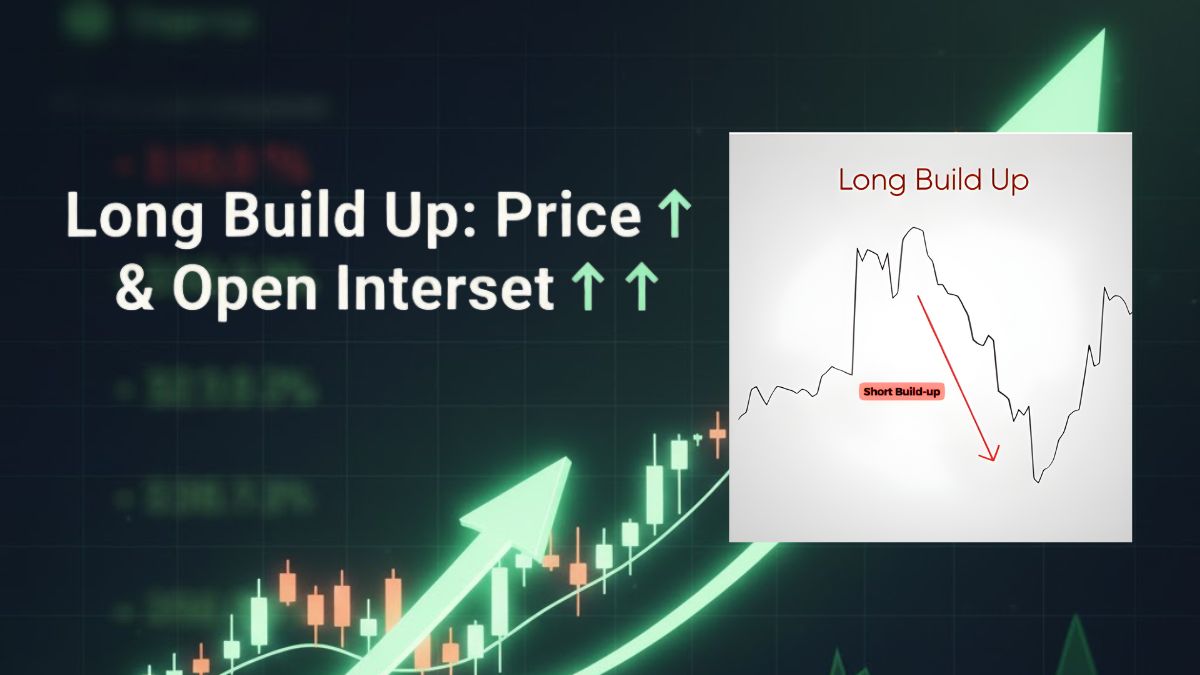
Long build up means traders are adding long positions as price rises. It shows positive sentiment. It also signals that buyers are active in the market. This pattern often appears in stocks with strong demand.
When price and open interest rise at the same time, it indicates long build up.
How Long Build Up Works
Long positions increase when traders expect the stock to move higher. More buyers enter the market. They add volume and open interest. This move pushes price up.
You should track both price and open interest. The signal becomes stronger only when both rise together.
How to Identify Long Build Up

Use this simple checklist.
Price rising
Price must move up. Even a small rise is enough to start the signal.
Open interest rising
Open interest must rise. It shows new positions entering the market. If price rises without open interest, the move can be weak.
Why Traders Track Long Build Up
Traders use it to confirm trend strength. It helps them enter early in a possible uptrend. It also helps them avoid false moves. Many intraday traders use this data to pick strong stocks for the day.
Long Build Up vs Short Covering
Both show price rising, but the reason is different.
Long build up
Price up and open interest up. Shows new buyers entering.
Short covering
Price up and open interest down. Shows traders closing old short positions.
Do not mix these signals. One shows strength. The other shows shorts exiting.
Example with Simple Numbers
Stock price moves from 500 to 520.
Open interest moves from 20 lakh to 28 lakh shares.
Price is rising.
Open interest is rising.
This shows long build up.
Another example
Price moves from 800 to 830.
Open interest rises from 12 lakh to 17 lakh.
This is a clear long build up pattern.
Use numbers like these to train your eye.
Common Mistakes Beginners Make
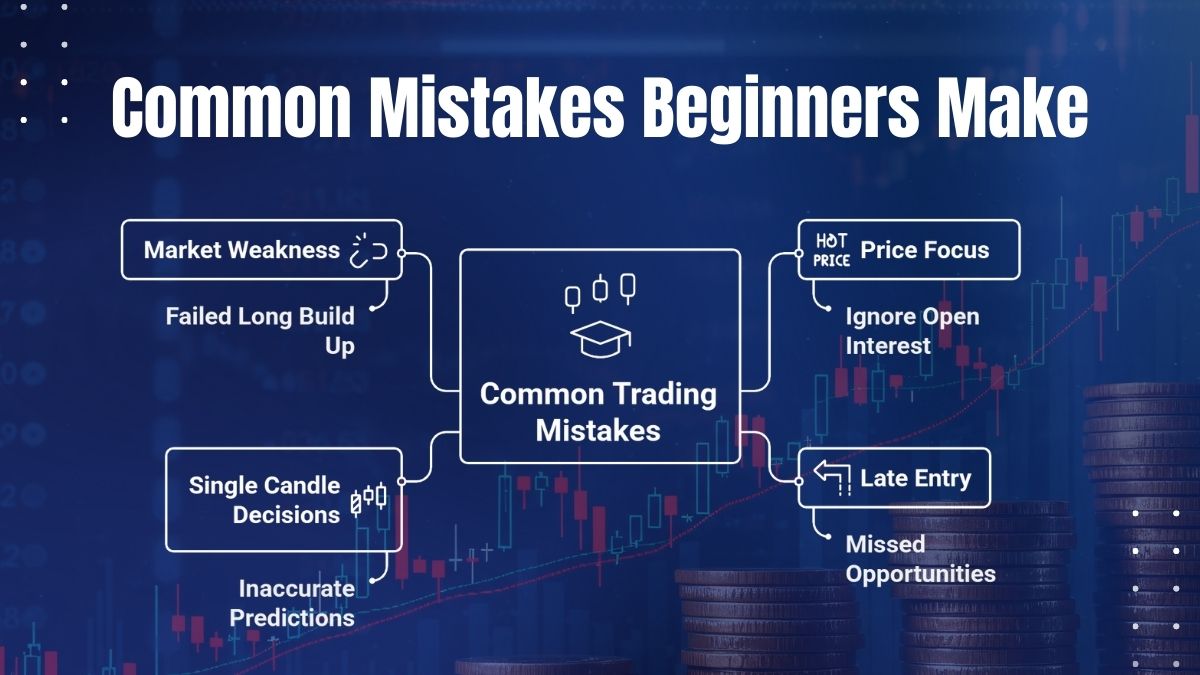
- They look at price only. They ignore open interest.
- They enter too late.
- They make decisions on one candle instead of full data.
- They forget that long build up can fail in weak markets.
Avoid these points to improve your accuracy.
When Long Build Up Fails
Long build up can fail during volatile markets. It also fails when news events hit the market. Open interest can increase due to hedging. Do not depend on the signal alone. Use it along with chart analysis.
To learn chart signals, take the Technical Analysis Course from IFMC.
Long Build Up and Fundamental Strength
Long build up becomes strong when the stock has good fundamentals. Traders trust companies with strong earnings and low debt. Combine F&O data with core fundamentals for better results.
Learn more in the Fundamental Analysis Course.
Learn More with IFMC Courses

If you want to understand F&O signals, price action, open interest, and trend confirmation, start your learning with IFMC. You will gain clear, practical knowledge that fits real market conditions.
FAQs
What is long build up
Long build up means price and open interest rise together, showing new long positions entering the market.
How do you identify long build up in F&O
Check if price is rising and open interest is rising at the same time. Both must increase.
What is the difference between long build up and short covering
Long build up shows price up and open interest up. Short covering shows price up and open interest down.
Is long build up good for beginners
Yes. It helps beginners read market direction using simple data.